
A visit to Machu Picchu is a dream come true for many travelers. The iconic Inca citadel, perched high in the Andes mountains of Peru, is one of the most popular tourist destinations in the world. However, the traditional route to Machu Picchu, the Inca Trail, can be crowded and difficult to book during peak season. For those looking for a more unique and off-the-beaten-path experience, there are several alternative routes that lead to this legendary site. Each offers its own distinct charm, breathtaking landscapes, and glimpses of Inca history.
These alternate treks not only offer a more tranquil way to experience the beauty of Peru, but they also allow hikers to immerse themselves in the cultural richness and rugged terrains that the country has to offer. The alternatives offer the chance to explore the breathtaking nature of the Andes while encountering less-traveled trails and discovering lesser-known Inca ruins.
1. Salkantay Trek
The Salkantay Pass, standing over 15,000 feet above sea level, is a highlight of the trek. This spot offers an unforgettable experience for those who make it to the top. Despite its difficulty, the Salkantay Trek is well worth the effort for those who want to experience the natural beauty of the Andes. Also, it’s perfect for those who want to avoid the crowds of the traditional Inca Trail.
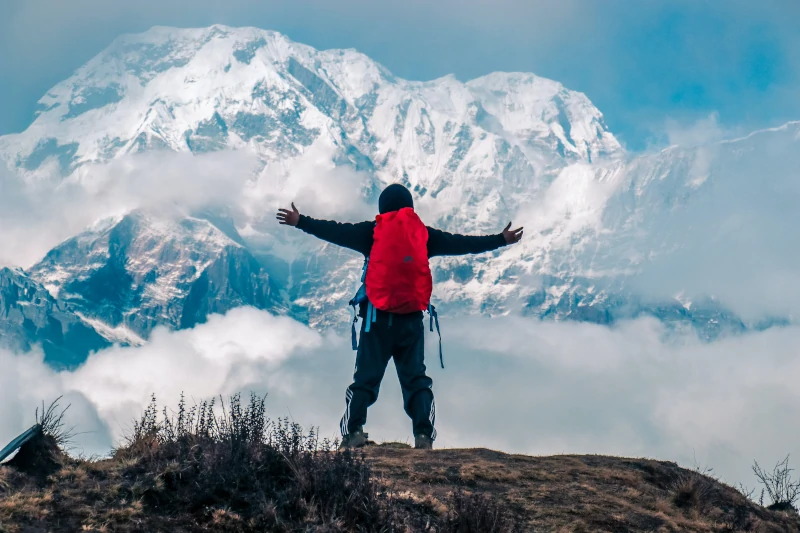
The Salkantay Trek is one of the most popular and challenging alternative routes to Machu Picchu. This route is ideal for those looking to test their endurance while soaking in stunning views of the Andean mountains. The trek takes hikers through high-altitude passes, lush cloud forests, and remote villages. It culminates in breathtaking views of Machu Picchu from a distance, giving trekkers a unique perspective before reaching the famous ruins.
One of the highlights of this trek is the Salkantay Pass, which stands over 15,000 feet above sea level. This section is challenging but rewarding, offering hikers an unforgettable experience. The trail takes you through changing ecosystems, from snow-covered peaks to subtropical forests, making it a truly dynamic journey. Along the way, trekkers will witness dramatic landscapes, wildflowers, waterfalls, and rare wildlife. The Salkantay Trek is perfect for those who want to avoid the crowds of the traditional Inca Trail and immerse themselves in the natural beauty of the Andes.
Despite its difficulty, the Salkantay Trek offers a great opportunity for both experienced hikers and those with a reasonable level of fitness to appreciate Peru’s diverse ecosystems. The trail’s grandeur and the solitude it offers are what draw many trekkers, making it a wonderful choice for adventure seekers.
Maybe you’d like to read: Wiñay Wayna on the Inca Trail
2. Lares Trek
For those who want a trek that provides not only natural beauty but also a cultural experience, the Lares Trek is the perfect alternative routes to Machu Picchu. This trail takes hikers through traditional Andean villages where they can interact with locals, observe traditional farming techniques, and learn about the customs and lifestyles that have been maintained for centuries. The route is a beautiful blend of cultural exploration and nature, as it meanders through stunning valleys, past flowing rivers, and offers spectacular views of the surrounding mountains.
The Lares Trek also provides the opportunity to visit hot springs, perfect for a relaxing soak after a long day of hiking. As trekkers make their way through the route, they pass several high-altitude communities, where they can learn about ancient agricultural practices and weaving traditions that have been passed down for generations. The trek concludes in Ollantaytambo, a charming town in the Sacred Valley, where trekkers can catch a train to Aguas Calientes—the gateway to Machu Picchu.
The Lares Trek is a great option for those who want a more relaxed trek that allows for cultural immersion and scenic beauty. The slower pace of this route also allows hikers to interact with local communities, providing a deeper connection to the region’s cultural heritage.
3. Choquequirao Trek
If you’re looking for an adventure off the beaten path, the Choquequirao Trek might be the perfect option. Choquequirao is often referred to as the “sister city” of Machu Picchu due to its similar architecture and layout. Located high in the Andes, Choquequirao is one of the most remote Inca ruins in the region, and its trek offers a rare opportunity to explore this ancient site without the crowds.
The Choquequirao Trek is more challenging than the classic Inca Trail, but for those who love a rugged and adventurous experience, this trek delivers. The journey takes you through diverse landscapes, including cloud forests, rivers, and jagged mountain peaks. The trek to Choquequirao is long and demanding, but the reward is worth every step. Once at the ruins, you’ll be treated to awe-inspiring views and the chance to explore one of the most impressive Inca sites still relatively unknown to the general public.
Unlike Machu Picchu, Choquequirao is far less visited, which makes it an ideal choice for those seeking solitude and a deeper connection to the Inca civilization. The site offers similar architectural features to Machu Picchu, including terraces, plazas, and ceremonial spaces, but with the added benefit of a quieter and more intimate experience.
Maybe you’d like to read: Dead Woman’s Pass on the Inca Trail

4. Vilcabamba Trek
The Vilcabamba Trek is an alternative routes to Machu Picchu that takes you through the Vilcabamba mountain range, a remote and isolated region of the Andes. This trek offers stunning views of valleys and snow-capped mountains, and it passes through several ancient Inca ruins, making it an ideal choice for those who want to explore lesser-known archaeological sites while experiencing the rugged beauty of Peru.
The trek takes you through cloud forests, across rivers, and into remote Andean villages, giving you a chance to discover the natural beauty and rich culture of the region. Along the way, you’ll encounter several lesser-known Inca ruins such as Vitcos and Ñustahispana, which offer a fascinating look into the Inca Empire. The Vilcabamba Trek is perfect for those seeking an adventurous and more authentic experience, away from the large crowds typically found on the more popular trekking routes.
Although the trek is demanding and requires a good level of fitness, the remoteness and natural beauty of the trail make it one of the most rewarding alternative routes to Machu Picchu.
5. Huchuy Qosqo Trek
The Huchuy Qosqo Trek offers a much shorter alternative to Machu Picchu, making it ideal for those who want to explore the beauty of the Andes but don’t have the time or inclination for a more strenuous trek. The route takes you through stunning Andean countryside, providing spectacular views of the Sacred Valley and the surrounding mountains.
The highlight of the trek is the ancient site of Huchuy Qosqo, a lesser-known Inca archaeological site perched high on a ridge above the Sacred Valley. Huchuy Qosqo is an important site in Inca history, as it once served as a royal estate for the Inca emperor Pachacuti. The ruins offer a unique glimpse into the everyday lives of the Incas, with impressive terraces, plazas, and ceremonial buildings.
Huchuy Qosqo is a great option for those who want to experience the beauty of the Andes and learn about Inca history without undertaking a more challenging trek. The route is also great for families, beginner trekkers, or anyone short on time but still wanting to explore the region’s landscapes and culture.
Maybe you would be interested in reading: Complete Cusco tourist ticket guide

6. Inca Jungle Trek
For those looking for an adventure that combines physical challenges with a bit of excitement, the Inca Jungle Trek is an excellent choice. This alternative route is not just a trek; it combines hiking, biking, rafting, and even zip-lining, making it an exhilarating option for adrenaline seekers.
The trek starts with a mountain biking descent through the Andes, followed by a rafting adventure on the Urubamba River. Along the way, trekkers can also enjoy zip-lining through the jungle canopy and soaking in natural hot springs. The final destination, of course, is Machu Picchu, where hikers can explore the ancient ruins and marvel at the stunning views of the surrounding mountains.
The Inca Jungle Trek is a fantastic way to experience the natural beauty of Peru in a fun and adventurous way. It’s perfect for those who want to combine their love for nature with a variety of outdoor activities.
Choosing the best trek for you
Each of these alternative routes to Machu Picchu offers a unique experience, and the best option depends on your preferences, fitness level, and interests. Whether you’re seeking a challenging adventure, cultural immersion, or a relaxed trek, these routes provide an opportunity to explore the Andes in a way that’s distinct from the typical Inca Trail.
The Salkantay and Vilcabamba Treks are ideal for those who crave rugged landscapes and more challenging routes, while the Lares and Huchuy Qosqo Treks offer cultural insight with a more relaxed experience. The Choquequirao Trek offers the chance to explore a hidden gem, and the Inca Jungle Trek offers something for thrill-seekers who want a bit of everything.
Before choosing a trek, consider how much time you have, how physically demanding you want your journey to be, and what kind of experiences you want to have along the way. Each of these alternative routes promises breathtaking scenery, fascinating Inca history, and a chance to experience Peru in a unique way.
For those who want to venture off the beaten path and escape the crowds, these alternative treks offer the perfect opportunity to immerse yourself in the natural beauty, rich culture, and history of Peru. Whichever route you choose, you will discover a new side of the Andean world and experience the magic of Machu Picchu in a way that few others have.

