

Planning a trip to Peru in only one week can feel challenging when there are so many places worth visiting. Peru offers coastal cities, Andean landscapes, archaeological sites and traditional towns. Trying to fit everything into seven days can quickly turn an exciting trip into a rushed one. A well organized 7 day Peru itinerary should focus on a few destinations that connect naturally. It should also leave enough time for transportation, sightseeing and rest.
For a first visit, Lima, Cusco, the Sacred Valley and Machu Picchu create a balanced route. Together, they combine culture, history, food and some of Peru’s most iconic landscapes. The key is not to see as much as possible. Instead, organize each day around realistic travel times, altitude adjustment and the reservations that matter most.
Is one week enough to travel around Peru?
One week is enough for a well planned introduction to Peru. However, it is not enough to explore every major region at a relaxed pace. The most practical approach is to concentrate the trip around Lima and the Cusco region. Avoid adding destinations such as Lake Titicaca, the Amazon or the southern coast into the same week. Choosing fewer places gives you more time to enjoy each destination.
For this route, seven days allow you to visit Lima, Cusco, the Sacred Valley and Machu Picchu. You can do this without turning every day into a long transfer. This balance makes a 7 day Peru itinerary more realistic for first time visitors. Your actual sightseeing time will still depend on your flights. Arriving late on Day 1 or leaving early on Day 7 can reduce the number of complete days available.
This itinerary assumes seven days and six nights inside Peru. International flights may add extra travel days depending on where you are coming from. Check your arrival and departure times before making fixed reservations. This will help you understand how much usable time you really have.
You might also want to check out: 12 best museums in Lima to visit
A 7-day itinerary at a glance
This 7 day Peru itinerary follows a simple route that minimizes unnecessary backtracking. The first two days take you from Lima to Cusco. Days 3 and 4 connect the Sacred Valley with Machu Picchu. The final three days give you more time in Cusco before returning to Lima. This sequence also makes flights, trains and important reservations easier to coordinate.
Day 1 begins with your arrival in Lima and a relaxed introduction to the city. Day 2 takes you to Cusco, where the afternoon is intentionally lighter. On Day 3, you travel through the Sacred Valley and continue to Aguas Calientes. Machu Picchu is the main focus of Day 4 before you return to Cusco. Day 5 gives you more time to explore the city. On Day 6, you fly back to Lima. Finally, Day 7 is reserved for your last hours in the capital and your flight home.
Day 1: Arrival in Lima and First Walk
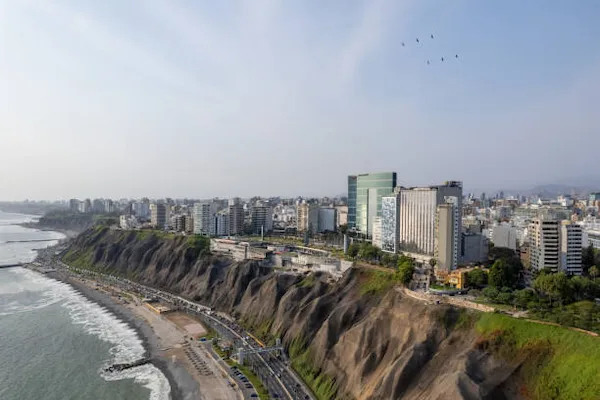
Your first day will depend more on your flight schedule than on any fixed plan. After landing, you will need time for immigration, luggage collection and transportation to your accommodation. If you arrive early, Miraflores is a practical place for a first walk. You can explore the coastal areas, nearby parks and local restaurants. Barranco is another good option if you prefer colorful streets, cafés, galleries and a more artistic atmosphere.
Keep the first day of your trip flexible. This gives you time to recover from the international flight before moving into the Andes. Lima traffic can make short distances take longer than expected, so choose one area and enjoy it without rushing. Avoid booking an important prepaid activity too close to your arrival time. Prepare everything for the next morning before going to bed. This will make your flight to Cusco much easier.
Day 2: Flight to Cusco and altitude adjustment
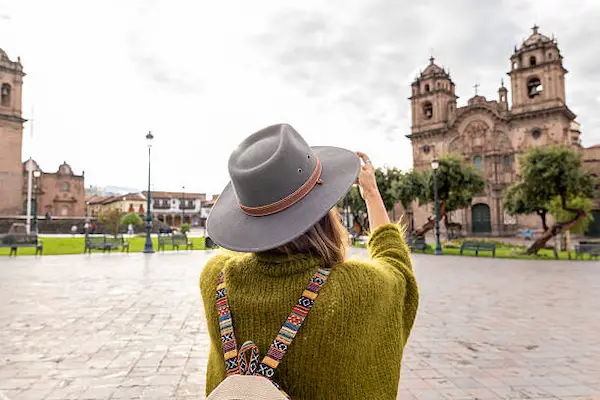
Choose a morning flight that allows you to arrive in Cusco without losing the entire day. Even if you reach the city early, avoid scheduling a demanding excursion right away. Cusco sits at approximately 3,400 meters above sea level, and the altitude can affect travelers differently. After checking into your accommodation, take a relaxed walk around the Plaza de Armas and nearby historic streets.
The purpose of this day is to enjoy Cusco while giving your body time to adjust. A slower pace works especially well during a one week trip through Peru. The following days include the Sacred Valley and Machu Picchu. Stay hydrated and avoid intense physical effort. There is no need to visit every viewpoint immediately. If you feel comfortable, explore a little farther. Places such as San Blas can easily wait until Day 5.
Day 3: Sacred Valley and Night in Aguas Calientes
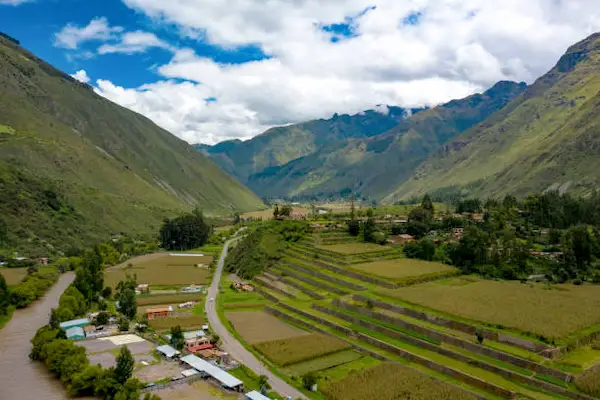
Day 3 connects two important parts of the journey: the Sacred Valley and the route toward Machu Picchu. Depending on your interests, you can visit Pisac and Ollantaytambo. Another option is to include places such as Maras and Moray before continuing toward the train station. The goal is not to fit every Sacred Valley attraction into one day. Instead, choose a combination that gives you enough time to enjoy each stop and still reach Ollantaytambo comfortably.
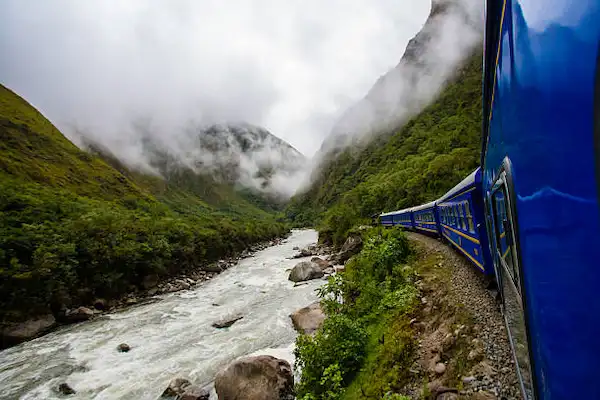
Your train departure should guide the final part of the schedule. Avoid choosing an itinerary that leaves you racing to the station. This sequence makes the overall journey more efficient because you continue toward Machu Picchu without returning to Cusco. Once you reach Aguas Calientes, check into your accommodation and prepare everything for the following morning. Keep your Machu Picchu ticket, identification and meeting information easy to access. A smaller overnight bag can also make this part of the journey easier.
Day 4: Visit Machu Picchu and Return to Cusco
Machu Picchu is usually the highlight of the journey. Your entrance time should determine how the morning is organized. Plan breakfast, transportation and any meeting with a guide around the time printed on your ticket. From Aguas Calientes, you can reach the entrance area by bus or on foot. Taking the bus can be practical because it saves energy for walking inside the archaeological site.
After completing your route, allow enough time to leave Machu Picchu and return to Aguas Calientes. You also need time to reach the train station without rushing. For many travelers, this is the highlight of a week in Peru. Different entrance tickets include different sectors and viewpoints, so the exact experience depends on the circuit selected in advance. Once you arrive in Ollantaytambo, you still need to continue by road to Cusco. Keeping the evening free for dinner and rest is usually a good idea.
Day 5: Cusco With Time to Enjoy It
Day 5 gives you time to explore Cusco without worrying about catching a train or changing cities. This quieter stage of the journey lets you experience the city at a slower pace. You can visit the historic center, Qorikancha, San Blas or San Pedro Market. If archaeological sites are a priority, consider Sacsayhuamán and nearby locations instead.
Keeping this day flexible is useful after several early starts and transfers. You can follow a fuller sightseeing schedule if you still have plenty of energy. If you need more rest, slow the pace down. This day also works as a useful buffer for anything you may have missed earlier.
Day 6: Return to Lima
Returning to Lima one day before your international departure gives you a valuable safety margin. This is especially useful when domestic and international flights are booked separately. It reduces the risk of a delay in Cusco affecting your flight home. If possible, choose a flight that still leaves part of the afternoon free.
Once you arrive, focus on one area instead of crossing the entire city. Returning to the capital also makes the overall travel plan easier to manage. You can visit the historic center, return to Miraflores or spend more time in Barranco. Another option is to enjoy a relaxed meal and some downtime before your final travel day.
Day 7: Final Hours in Lima and Flight Home
Plan your final day around the departure time of your international flight. If your flight leaves in the evening, you may still have time for breakfast, shopping or a short walk. You can also enjoy one last meal near your accommodation. Choose activities that are easy to leave when necessary. Avoid traveling to a distant part of Lima just because you still have a few hours available.
If your flight leaves earlier, Day 7 may function almost entirely as a departure day. Keep this final stage of your trip simple. Leave enough time for traffic, baggage, check in and airport procedures. Avoid trying to squeeze in another major activity before your flight. Checking your exact departure time will help you understand how much sightseeing time you really have.
You might also want to check out: Cusco train stations travel guide
How to Book Machu Picchu for a 7 Day Peru Itinerary
Machu Picchu should be one of the first elements you organize. The entrance date and time can affect your train, accommodation and transfers. Waiting until the final stages of planning may leave you with fewer route or schedule options. This is especially important during periods of higher demand.
Choose Your Route Before Buying
Machu Picchu uses different circuits and routes. Each one offers a different way to experience the archaeological site. Some options focus on panoramic viewpoints, while others include more areas of the Inca city. Certain routes also provide access to specific mountains or trails. Before buying your ticket, review the map carefully and decide what matters most to you. Choosing the route first also makes it easier to coordinate your entrance time.
Organize Your Reservations in This Order
Begin by checking your travel dates and the availability of Machu Picchu entrances. Once you select the date, circuit and entrance time, choose your train schedule. Then reserve your accommodation in Aguas Calientes and organize transportation through the Sacred Valley. On a one week trip, this order is especially useful because there is less room to rearrange the schedule. Finally, review the bus to the entrance and any guide arrangements you want to include.
What Is the Best Time for a one-week itinerary?
The best time for this route depends largely on conditions in the Andes. Cusco, the Sacred Valley and Machu Picchu make up the most active part of the journey. Drier months usually provide better conditions for outdoor visits. However, nights and early mornings can still feel cold at higher elevations.
Between November and March, rainfall becomes more frequent in the Andes. Waterproof clothing and some flexibility are useful during these months. Weather can affect several outdoor activities during a one week trip through Peru. For that reason, check seasonal conditions before confirming your travel dates. Lima has a different climate, with warmer summers and cooler, cloudier winters.
May and September can be practical months for travelers looking for favorable conditions. They also allow you to avoid automatically choosing the busiest part of the year. If you plan to include the Inca Trail, check its operating calendar separately. Restrictions on trekking routes do not necessarily mean Machu Picchu is closed.
How Much Does a 7 Day Peru Itinerary Cost?
The cost of a 7 day Peru itinerary depends on accommodation, flights, train type and activities. Booking in advance can also affect the final price. For a traveler sharing a room, six nights may cost around USD 150 to 300. Meals can add approximately USD 100 to 180. Flights between Lima and Cusco may cost around USD 120 to 280.
Local transportation and transfers may add another USD 50 to 120. Machu Picchu is often one of the largest expenses because it can include the entrance, train, bus and guide. Depending on your choices, this part may cost around USD 220 to 380. Other entrances and activities could add about USD 50 to 110.
A general budget of around USD 690 to 1,370 per person can help with planning. This estimate does not include international flights, insurance, shopping or expensive restaurants. Treat these figures as a reference rather than fixed prices. Actual costs depend on your travel dates, availability and preferred level of comfort.
Documents, Health and Safety Before Your Trip
Travel preparation should go beyond flights and hotels. Preparing these details in advance can make a 7-day Peru itinerary easier to follow because there is less room for unexpected paperwork or health related problems during a short trip. Before leaving, review your entry documents, health needs and basic safety arrangements so that these details do not become a problem once the itinerary has already started.
What Documents Should You Check?
Entry requirements depend on your nationality and the document you use to travel, so confirm passport validity and visa requirements through official sources before departure rather than relying only on general travel advice. Keep accommodation details, flight information, train reservations and Machu Picchu tickets accessible even when you do not have internet access, since these documents are essential for keeping your 7 day itinerary organized from one destination to the next. Carry the original identification associated with important bookings whenever required. A digital copy stored securely can be useful as a backup, but it does not necessarily replace the original document requested by an airline, train company, hotel or attraction.
How to Adjust to the Altitude
When you arrive in Cusco, reduce physical effort during the first hours and give your body time to adjust rather than beginning the trip with an intense excursion. Stay hydrated, eat normally, rest when you need to and avoid pushing yourself simply because the itinerary has activities planned. Mild discomfort can occur during the adjustment period, but symptoms that become severe or continue to worsen should not be ignored. Travelers with medical conditions or previous concerns related to altitude should seek professional advice before the trip and consider those recommendations when deciding which hikes or excursions at higher elevations to include.
Vaccines and Travel Insurance
Health recommendations can vary depending on the regions included in your trip, so it is important to review them according to your specific route rather than assuming the same advice applies to all of Peru. A journey limited to Lima, Cusco, the Sacred Valley and Machu Picchu has different considerations from an itinerary that also includes the Amazon or other tropical areas, where additional precautions may be necessary. Before traveling, check the latest official health guidance, make sure any regular medication you need is easy to access and consider travel insurance that covers medical assistance, domestic transportation and the activities you plan to do. If hiking or excursions at higher elevations are part of your plans, review the policy conditions carefully, especially any limits related to trekking, altitude or emergency evacuation.
Practical Safety Precautions
Use identifiable transportation when arriving in a new city, keep valuable items discreet and avoid carrying more cash than you reasonably need during the day. Store digital copies of your important documents in a secure location and consider keeping a second payment method separately from your main wallet in case something is lost or misplaced. Before each major transfer, reconfirm your reservations and download tickets, accommodation addresses and contact details so you are not completely dependent on mobile service. These simple precautions can help keep your week itinerary running smoothly even when small unexpected changes occur.
What to Pack for a 7 Day Peru Itinerary
Packing for a 7 day Peru itinerary means preparing for different climates rather than one type of weather. Lima can feel very different from Cusco and the Sacred Valley, so clothing that can be layered is more practical than bringing heavy items designed for only one destination. Comfortable shoes are especially important because several days include stone streets, stairs and uneven surfaces, while a small backpack is useful for the Sacred Valley and Machu Picchu portion of the journey.
Useful items include:
- Lightweight shirts and an extra warm layer.
- Waterproof jacket or poncho.
- Comfortable walking shoes with good grip.
- Hat or cap.
- Sunglasses and sunscreen.
- Small backpack for Machu Picchu.
- Personal medication and any necessary prescriptions.
- Portable charger and charging cables.
- Original travel documents.
- Downloaded copies of important reservations.
Before packing your main suitcase, check the baggage conditions of both your domestic flights and train service, since the allowances may not be the same. For everyday expenses, it can also be useful to combine a bank card with a reasonable amount of cash in Peruvian soles, especially for smaller purchases and situations where card payments are less convenient.
You might also want to check out: The ultimate Cusco nightlife guide
What to Eat During One Week in Peru
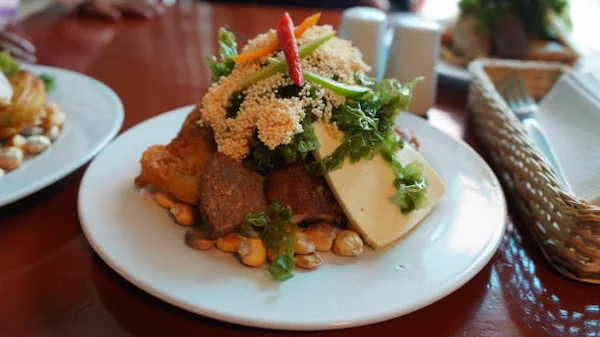
Food can easily become one of the highlights of a trip to Peru, so leave enough room in the schedule for meals rather than treating them only as breaks between attractions. During the week, you can try dishes such as lomo saltado, ají de gallina, causa and other regional preparations according to your preferences, while Lima provides plenty of opportunities to explore different styles of Peruvian cuisine.
Cusco also has its own traditional ingredients and dishes, making it worth asking about regional preparations instead of ordering the same meals you might choose in Lima. Leaving time for local food also makes a 7 day Peru itinerary feel more complete, since the experience is not limited only to sightseeing and transportation. If there is a particular restaurant you want to visit, checking availability beforehand can be helpful because a trip of only one week leaves less flexibility for returning another day.
Choose drinking water and food establishments carefully, particularly before days that involve long transfers or major activities such as Machu Picchu. A stomach problem can affect a short itinerary much more than a longer journey with extra recovery time, so basic food and water precautions are worth maintaining throughout the week.
Frequently Asked Questions About a 7 Day Peru Itinerary
Before confirming the final reservations, it is useful to review some of the questions travelers usually have when organizing a one week trip through Peru. These answers can help you decide which destinations fit comfortably into the route, which activities may require replacing another stop and how to organize the most important parts of the journey without making the schedule feel rushed.
Is It Better to Travel Independently or With an Agency?
Both approaches can work well depending on how much you want to organize yourself. Independent travel gives you greater control over hotels, transportation and timing, while an agency can simplify connections involving the Sacred Valley and Machu Picchu, where several reservations need to work together. Whichever option you choose, confirm entrance tickets, transportation schedules, meeting points and change conditions in writing before traveling so you understand exactly what is included and what still needs to be arranged on your own.
Can I Include Puno and Lake Titicaca?
It is possible to include Puno, but doing so would require removing or shortening another part of your 7 day Peru itinerary because traveling between regions takes valuable time. For a first seven day visit, keeping Lima, Cusco, the Sacred Valley and Machu Picchu creates a more balanced route with fewer long transfers. If Lake Titicaca is one of your main priorities, it makes more sense to redesign the itinerary around Puno rather than adding it as an extra stop and reducing the time available everywhere else.
Can I Add Paracas and Huacachina?
Paracas and Huacachina can also be included, but they should replace another part of your itinerary instead of being added on top of the existing seven days. Both destinations require additional road travel from Lima, which can make an already active week considerably more demanding. If they are priorities for you, review your flight times carefully and decide whether you prefer to shorten the Cusco portion or reduce the amount of time spent in Lima rather than creating several rushed travel days.
Do I Need to Hike for Several Days to Reach Machu Picchu?
No. This route reaches Aguas Calientes by train and allows you to continue to the Machu Picchu entrance by bus, so completing a trek over several days is not required. You will still spend time walking inside the archaeological site, where stairs, stone paths and uneven surfaces are common, but you do not need to complete the Inca Trail or another long distance hiking route in order to experience Machu Picchu during a one week trip.
Can I Follow This Itinerary With Children or Older Travelers?
A one-week itinerary can be adapted for children or older travelers by choosing comfortable transportation, allowing longer breaks and reducing physically demanding activities. The most important consideration is altitude in Cusco and the Andes, so individual mobility, health conditions and tolerance for long travel days should be taken into account before booking excursions. Staying overnight in Aguas Calientes and keeping Day 5 flexible can also make the journey easier for travelers who benefit from a slower pace.
What Should I Do if the Machu Picchu Entrance I Want Is Unavailable?
Check alternative times or nearby dates before paying for transportation that depends on a specific entrance. If you select another route, review its map carefully because different tickets can provide noticeably different experiences inside Machu Picchu and may not include the viewpoint or sector you originally wanted. Since Machu Picchu is a central part of this trip, it is usually better to adjust another part of the itinerary around the available entrance options rather than confirming trains, hotels and transfers first and trying to fit the ticket around them later.
Organize Your 7 Day Peru Itinerary Around What Matters Most
If Machu Picchu is the main reason for your trip, begin with its availability and build the rest of your 7 day Peru itinerary around that date. Once the entrance is confirmed, you can fit in the Sacred Valley, Cusco, train schedules and time in Lima in a logical order without creating unnecessary connections or sacrificing too much time to transportation.
Leave a little unscheduled time as well. A longer meal, an interesting street you discover by accident or an afternoon when you simply need to rest can be just as valuable as another attraction on a checklist. A good trip should feel complete, not crowded, and the best route is one that gives you enough structure to see the places that matter while still leaving room to enjoy them.