

Planning a trip to the Amazon rainforest? Choosing the right clothes can make a big difference when you’re dealing with heat, humidity, rain, and insects. The best outfits are lightweight, breathable, and comfortable enough for long walks through the jungle. Long-sleeved shirts, quick-drying pants, sturdy footwear, and a reliable rain jacket are some of the essentials you’ll want to pack.
Your packing list should also depend on where you’re going, how long you’ll stay, and which activities you have planned. Whether you’re hiking forest trails, taking a boat ride, or relaxing at a jungle lodge, having the right clothing will help you stay comfortable throughout the day. Here’s what to wear in the Amazon rainforest, along with practical tips to help you pack light and prepare for changing weather conditions.
Why your clothing matters in the Amazon Rainforest
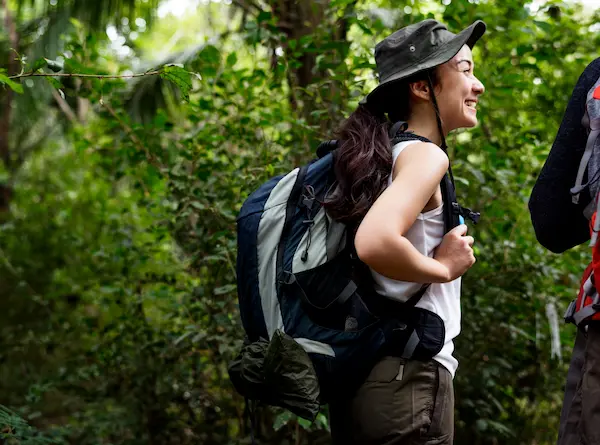
The Amazon is hot and humid for much of the year, and sudden rain showers are common. Your clothes need to handle sweat, moisture, and long hours outdoors without making you feel weighed down. The right fabrics and fit can also help protect your skin from insects, direct sunlight, and scratches from vegetation along forest trails.
Comfort should be your priority when putting together your outfits. Instead of packing heavy clothes or complete outfits for every activity, choose versatile pieces that you can mix and match. Keep these factors in mind:
- Breathability: Fabrics that allow airflow help you stay more comfortable in humid conditions.
- Quick-drying materials: These are useful when your clothes get sweaty or wet during an excursion.
- Skin coverage: Long sleeves and pants offer an extra layer of protection against insects and vegetation.
- Freedom of movement: Comfortable clothing makes it easier to walk, climb, and move along uneven trails.
What clothes to wear in the Amazon Rainforest
Choosing what to wear in the Amazon rainforest means finding a balance between comfort, breathability, and protection from insects and vegetation. The best clothes are lightweight, easy to move in, and suitable for hot, humid weather and sudden rain showers. Before packing, focus on fabrics that dry quickly and pieces you can layer or change throughout the day.
Lightweight shirts and long pants
Long-sleeved shirts and lightweight pants are a practical choice for most jungle excursions. They provide extra coverage without requiring you to wear thick layers in the heat. Look for loose-fitting clothes that allow air to circulate and don’t restrict your movement.
Lightweight cotton can feel comfortable in some conditions, but it tends to hold moisture and may take longer to dry. For active days, moisture-wicking synthetic fabrics or lightweight blends can be more convenient. You can also bring a few short-sleeved shirts for relaxing at your lodge or spending time indoors.
For a simple clothing rotation, consider packing:
- Two or three lightweight, long-sleeved shirts.
- Two pairs of comfortable hiking pants.
- One or two short-sleeved shirts for downtime.
- Enough underwear and socks for your stay, plus a few extras if you expect limited laundry access.
Quick drying fabrics and extra clothes
You’ll probably sweat more than usual in the rainforest, so having a change of clothes can make a big difference. Quick-drying shirts, pants, and socks are especially helpful when you’re moving between outdoor activities and your accommodation. They also take up less space in your bag than bulky clothing.
Pack a separate outfit for the evening, particularly if you plan to shower after a long hike. A lightweight shirt and comfortable pants or shorts can work well around the lodge, depending on the local conditions and activity rules. Keep your clean clothes in a dry bag or waterproof packing pouch so they stay dry if rain catches you on the trail or during a boat ride.
What shoes to wear in the Amazon Rainforest
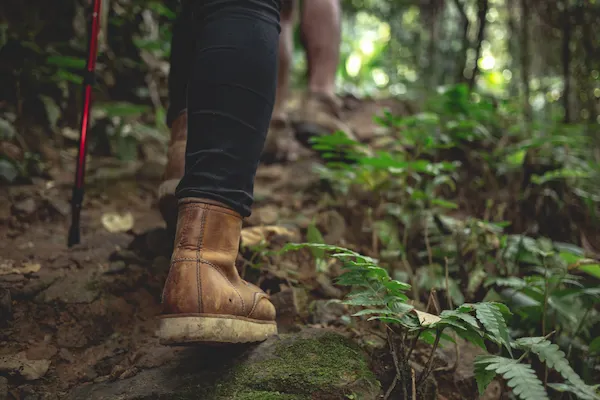
Your footwear should match the terrain and the activities on your itinerary. Forest trails can be muddy, slippery, or uneven, especially after rainfall. Choose shoes that fit well, provide reliable traction, and feel comfortable after several hours of walking.
Here are a few options to consider:
- Hiking shoes: A good choice for trails that require grip and ankle stability.
- Rubber boots: Useful in muddy conditions and sometimes provided by local lodges or tour operators.
- Sport sandals: Handy for relaxing at your accommodation or other suitable activities, but not ideal for every forest trail.
- Comfortable sneakers: Suitable for travel days and casual use, although they may not offer enough protection in deep mud.
Check whether your tour includes rubber boots before packing an extra pair. Some excursions provide them for forest walks, which can save space in your luggage. Whatever you choose, avoid breaking in brand-new shoes during your trip. Wear them beforehand to reduce the risk of blisters.
How to dress for rainy and dry weather
The Amazon has wet and relatively drier periods, but rain can occur at different times of the year. Conditions also vary across the region, so it’s best to prepare for both humidity and unexpected showers rather than rely entirely on seasonal forecasts.
During wetter periods:
- Wear quick-drying clothes that won’t stay damp for too long.
- Bring a lightweight waterproof jacket or rain poncho.
- Use waterproof bags to protect spare clothes, electronics, and important documents.
- Choose footwear with good traction for wet trails.
During relatively drier periods:
- Stick with breathable shirts and lightweight pants.
- Pack a hat and sunglasses for sun protection.
- Bring a light rain layer because showers can still happen.
- Carry extra water and take breaks when the heat and humidity become uncomfortable.
You don’t need a heavy raincoat or thick outdoor layers for every situation. A compact rain jacket and a few versatile clothing options are usually more practical for a trip focused on rainforest activities.
What to wear for daytime and nighttime activities
Your outfit may change depending on what you’re doing and how long you’ll be outdoors. Daytime hikes, boat trips, and evening wildlife walks can call for slightly different clothing choices.
Before heading out, check your tour itinerary to see which activities are planned and whether your guide recommends specific clothing or footwear. This makes it easier to pack only what you need while ensuring you have suitable options for exploring the rainforest, traveling along the river, and relaxing at your lodge.
Daytime hikes and forest walks
Wear a breathable long-sleeved shirt, lightweight pants, comfortable socks, and suitable hiking shoes or rubber boots. A hat can provide additional sun protection, while insect repellent helps protect exposed skin. Choose clothes that allow you to move freely without leaving too much skin exposed to insects or rough vegetation.
It’s also a good idea to choose clothes that you don’t mind getting dirty or damp. Trails can be muddy after rainfall, and vegetation may brush against your clothes as you walk. Before leaving for an excursion, check your footwear and make sure your pants fit comfortably over your boots or shoes to help keep insects and debris away from your skin.
Boat rides and wildlife spotting
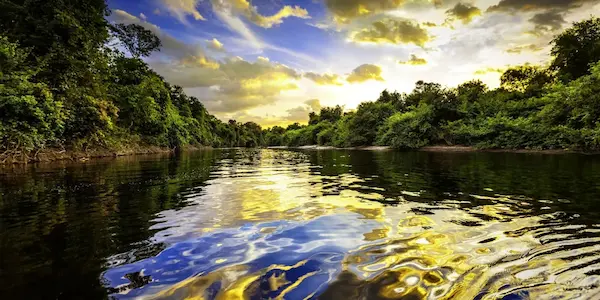
For boat excursions, lightweight long sleeves and pants can help protect you from the sun and insects. Bring a rain jacket and keep your phone, camera, and spare clothes in a waterproof bag. If you’re traveling early in the morning, a thin extra layer may be useful, especially when conditions feel cooler on the water.
Consider wearing clothes that dry quickly in case you get splashed or caught in light rain. A cap or wide-brimmed hat can also help protect your face during exposed stretches of the river. If your excursion includes stops along the riverbank, wear shoes that provide a secure grip and are suitable for the terrain you’ll encounter.
Night walks in the rainforest
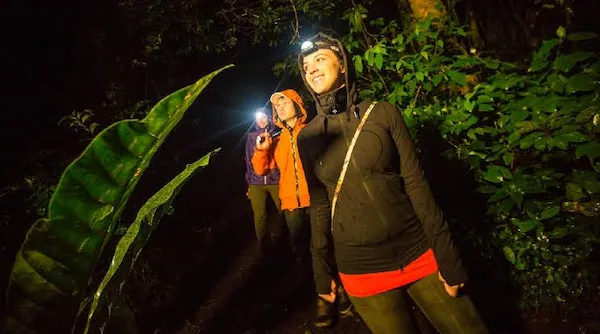
Evening excursions can expose you to plenty of insects, so long sleeves, long pants, and closed-toe footwear are sensible choices. Dark or neutral-colored clothing may also be useful for wildlife observation, depending on your guide’s recommendations. Bring a headlamp or flashlight if your tour requires one, and follow your guide’s instructions about footwear and safety.
Avoid wearing loose clothing that could easily catch on branches or vines as you move through the forest. Apply insect repellent according to its label before heading out, and check that your sleeves and pant legs provide adequate coverage. Since visibility can be limited at night, comfortable footwear with good traction is especially important when walking on uneven or slippery ground.
Relaxing at your lodge
After a day outdoors, you’ll probably appreciate changing into something dry and comfortable. Lightweight shorts, a fresh T-shirt, and sandals are practical options for relaxing in designated lodge areas. Keep a warmer layer handy if your itinerary includes early mornings or travel through cooler areas.
Pack enough comfortable outfits to change after activities, especially if your clothes become sweaty or wet during the day. A separate bag for used clothing can help you keep clean items fresh and organized. If your lodge has shared dining spaces or specific dress recommendations, check its guidelines before choosing what to wear in common areas.
Essential accessories for your amazon trip
Clothing is only part of the packing list. A few accessories can help you stay comfortable, protect your belongings, and prepare for long excursions.
| Item | Why it helps |
|---|---|
| Wide-brimmed hat or cap | Provides additional protection from the sun. |
| Sunglasses | Helps reduce glare during outdoor activities and boat rides. |
| Insect repellent | Helps protect against mosquito bites and other insects. |
| Sunscreen | Protects exposed skin from the sun. |
| Lightweight rain jacket | Helps keep you dry during sudden showers. |
| Waterproof dry bag | Protects electronics, documents, and spare clothes from moisture. |
| Small daypack | Holds water, extra layers, and other essentials during excursions. |
| Headlamp or flashlight | Useful for night walks when required by your itinerary. |
| Extra socks | Gives you a dry pair after a wet or sweaty hike. |
Keep frequently used items in your daypack so you can reach them easily. For insect repellent and sunscreen, follow the product instructions and reapply as directed. You should also check your tour operator’s packing recommendations before departure, as some equipment may already be included.
What not to wear in the Amazon Rainforest
Some clothing choices can make rainforest activities less comfortable or leave you less prepared for the conditions. You don’t need to buy an entirely new wardrobe, but a few simple adjustments can help you avoid common packing mistakes.
Try to avoid:
- Heavy jeans: They can feel uncomfortable in humid weather and take a long time to dry.
- Thick, non breathable fabrics: These can trap heat and moisture during active excursions.
- Brand-new hiking shoes: Unfamiliar footwear can cause blisters on long walks.
- Delicate or expensive clothing: Mud, rain, and vegetation can damage fabrics.
- Flip-flops on forest trails: They offer limited protection and may be unsafe on uneven or slippery ground.
- Too many outfits: Packing versatile pieces and rotating them can save space without sacrificing comfort.
You don’t have to sacrifice comfort for practicality. Choose clothes that suit the environment, protect your skin, and are easy to wash and dry. If your guide recommends specific gear for an excursion, follow those instructions instead of relying on a general packing list.
Get ready for your Amazon Rainforest adventure
The best way to dress for the Amazon rainforest is to keep things lightweight, breathable, and practical. Long-sleeved shirts, quick-drying pants, comfortable footwear, and rain protection will cover most of your basic needs. Add insect repellent, sunscreen, and a few extra clothes, and you’ll be better prepared for the heat, humidity, and occasional downpours.
When deciding what to wear in the Amazon rainforest, think about your specific itinerary rather than packing for every possible situation. Forest hikes, boat rides, and lodge stays may require different combinations, so check your tour recommendations before you go. With a few versatile pieces and the right essentials, you can pack lighter, stay more comfortable, and focus on enjoying your time in the rainforest.