

PRICE FROM
price per person in group service
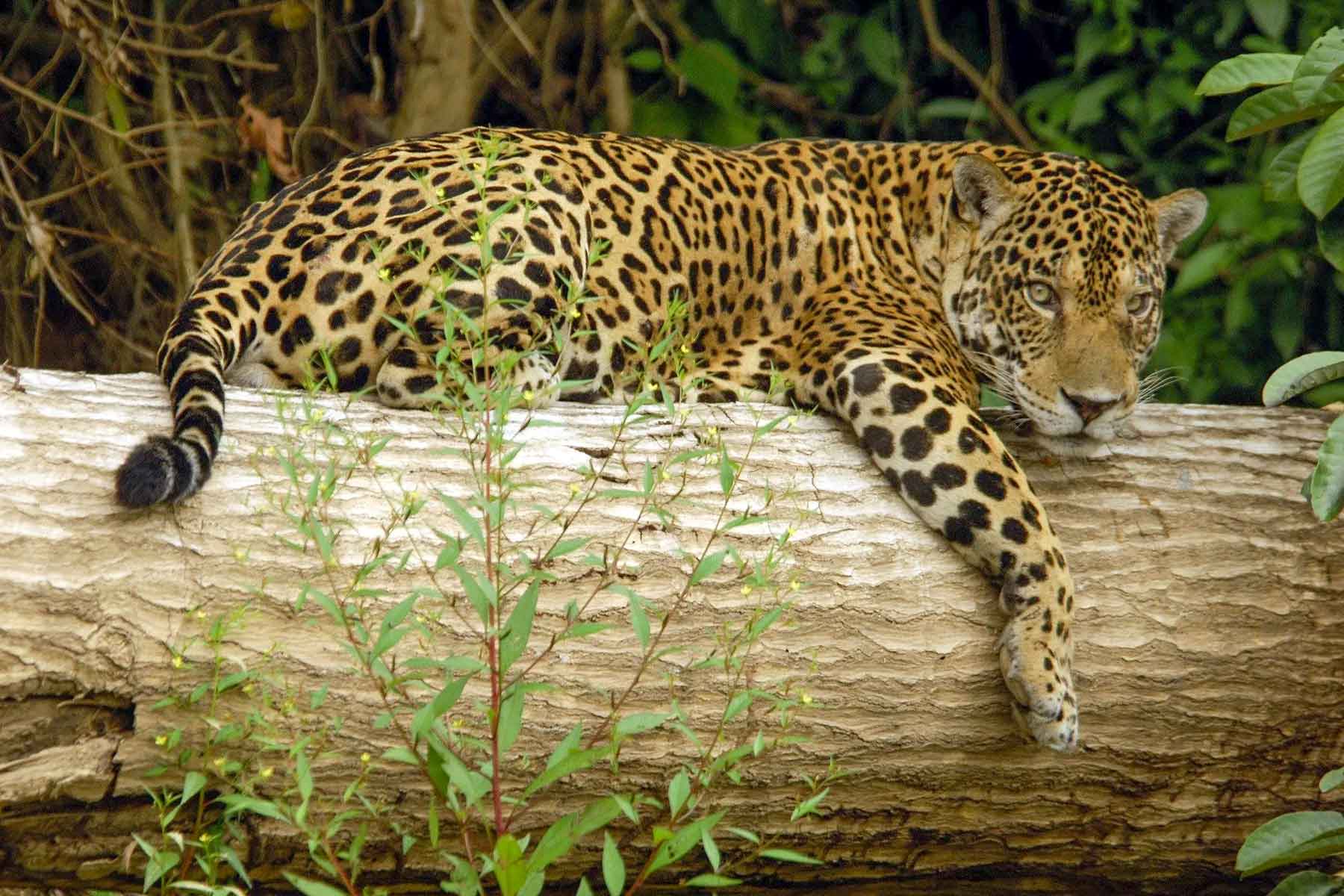
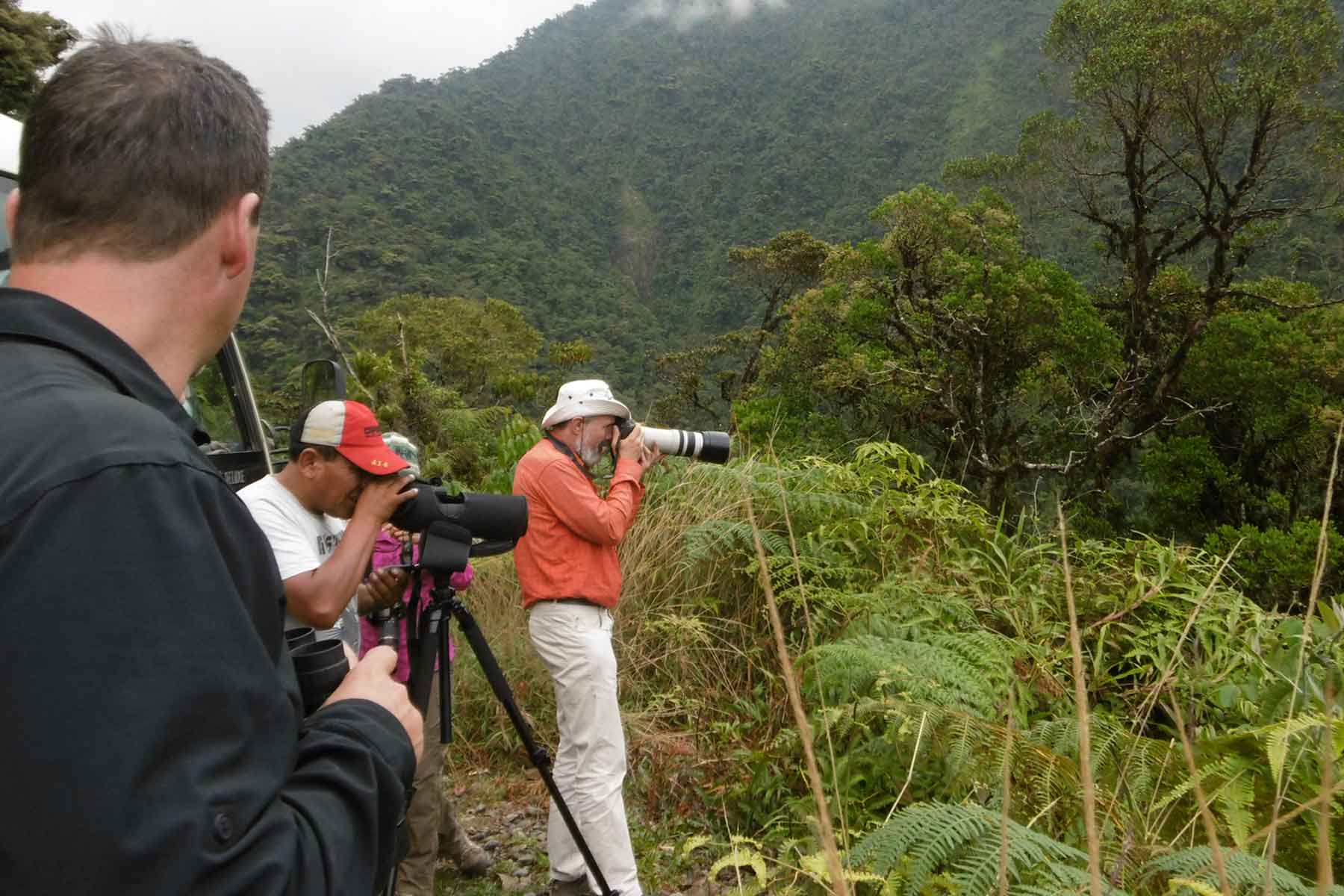
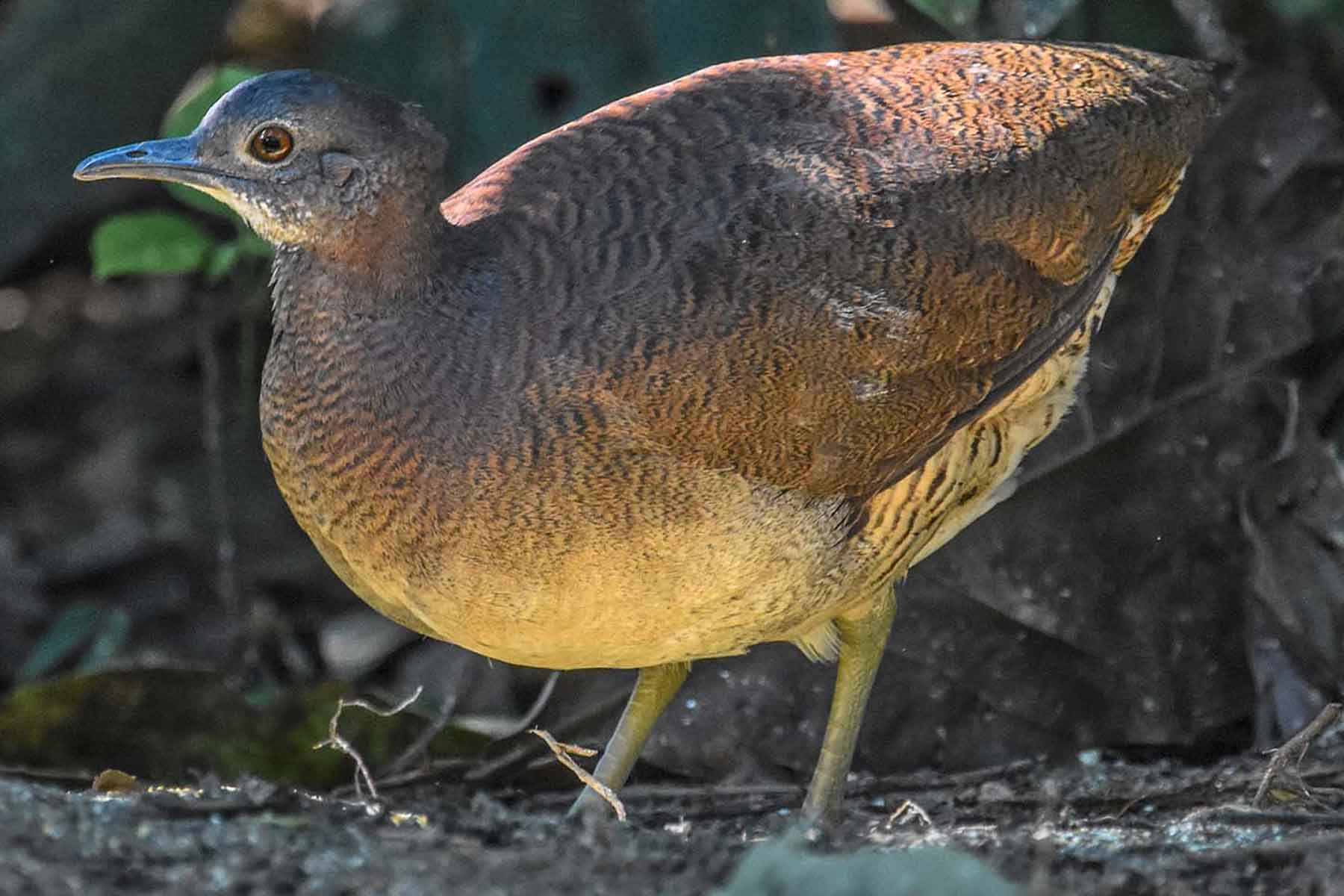


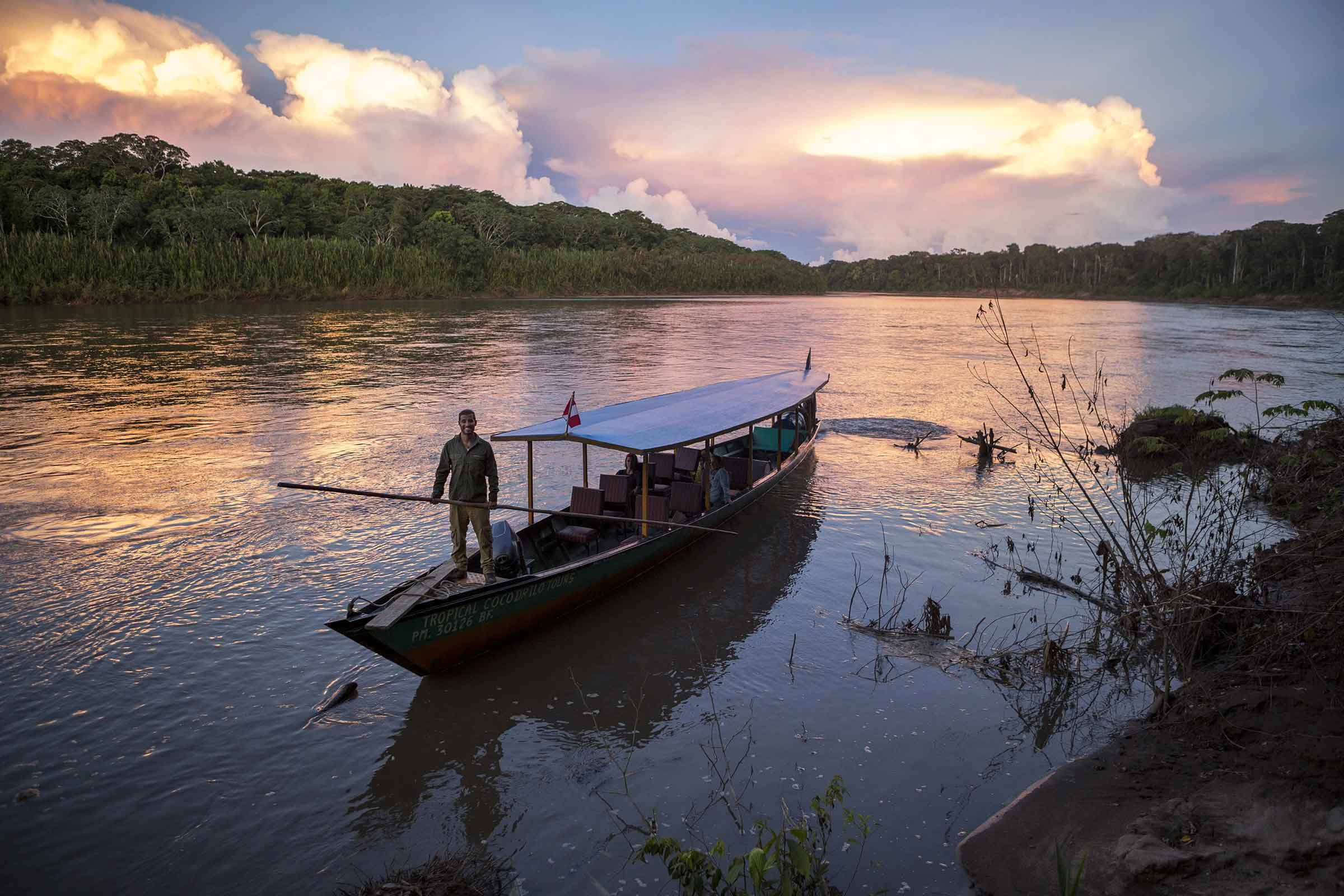
The Manu Cloud Forest Lodge Tour 4 days takes you through the transition between the Andes and the Amazon, with guided birding outings and a stay at Cock of the Rock Lodge. Designed for nature lovers and birdwatchers, this journey offers time to observe birds and enjoy the landscapes of Manu’s cloud forest.
Accompanied by an experienced local guide, you will look for the Andean cock-of-the-rock and other cloud forest birds while learning about their habitats and behavior. Between outings, enjoy the forest surroundings at the lodge. Wildlife sightings vary, making each birding experience different.
4 Days 3 Nights
4 Days Time
Moderate
400 msnm
Culture & Nature
02 ppl Min - 08ppl Max
Manu National Park is one of the most biodiverse protected areas in the world, located in southeastern Peru between the regions of Cusco and Madre de Dios. This UNESCO Biosphere Reserve protects an incredible variety of ecosystems, from the high Andes and cloud forests to the vast Amazon rainforest, creating a unique environment where thousands of plant and animal species thrive.
The Manu Cloud Forest Birding Tour offers an exceptional opportunity for birdwatchers and nature enthusiasts to explore this remarkable region. Traveling through the lush cloud forests of Manu, you will search for colorful and rare bird species, including endemic and tropical birds, while enjoying breathtaking landscapes, pristine nature, and the rich biodiversity of one of Peru’s most important conservation areas.
Throughout this 4-day adventure from Cusco, you will experience the transition from the Andes to the Amazon, explore remote rainforest areas, stay in comfortable jungle lodges, and learn from experienced local guides about the unique ecosystems, wildlife, and conservation efforts that make Manu a true paradise for bird lovers.
Our adventure begins with an early morning departure from Cusco City (11,156 ft.) aboard one of our comfortable private land transports. We will travel through the scenic highlands of the Andes towards Huacarpay Lake (9,908 ft.), an important wetland habitat and an excellent location for observing a variety of high Andean bird species.
During our visit to the lake, we will search for waterfowl such as Puna Teal, Yellow-billed Teal, Cinnamon Teal, Yellow-billed Pintail, Andean Duck, and other wetland-associated birds. We also expect to spot White-tufted Grebe and Andean Coot. Depending on the season, migratory shorebirds from North America may also be present.
Our birding focus will include some of the region’s most interesting species, such as Wren-like Rushbird, Rusty-fronted Canastero, Many-colored Rush Tyrant, Yellow-winged Blackbird, Puna Ibis, and Andean Negrito. The surrounding skies may reveal impressive birds of prey, including Aplomado Falcon, Cinereous Harrier, Red-backed Hawk, and Black-chested Buzzard-Eagle.
Exploring the dry scrub vegetation around the lake, we will look for endemic species such as Rufous-fronted Canastero and Streak-fronted Thornbird. The area is also home to the beautiful endemic Bearded Mountaineer, often seen feeding among tree tobacco plants (Nicotiana sp.), along with other hummingbirds including the Giant Hummingbird and Trainbearers. Additional species we may encounter include Peruvian Sierra-Finch, Ash-breasted Sierra-Finch, Mourning Sierra-Finch, Greenish Yellow-Finch, and Blue-and-yellow Tanager.
Continuing our journey through the spectacular inter-Andean valleys, we will pass through traditional Andean communities and highland agricultural landscapes before arriving at Paucartambo town (9,924 ft.). After a short break, we will continue birding in the surrounding dry valleys, where we have the opportunity to find species such as Chestnut-breasted Mountain-Finch, Andean Hillstar, Andean Flicker, Black-throated Flowerpiercer, and Chiguanco Thrush, among others.
Our next birding stop will focus on finding the endemic Creamy-crested Spinetail before continuing towards the final Andean pass, Acjanaco Pass (13,123 ft.). Crossing this impressive mountain pass marks our transition from the dry highlands into the lush and humid eastern slopes of the Andes, where the famous Manu Road begins.
Descending along the Manu Road, we will make several strategic stops to explore the changing habitats and search for remarkable species such as Moustached Flowerpiercer, Scribble-tailed Canastero, Line-fronted Canastero, and possibly Puna Tapaculo and Diademed Tapaculo.
Before sunset, we will arrive at Pillahuata (8,366 ft.), an excellent birding location that we will explore more extensively the following day. We will then continue deeper into the cloud forest until reaching our accommodation for the first night of the tour.
Overnight Accommodation: Cock of the Rock Lodge (4,566 ft.)
The lodge offers comfortable accommodations surrounded by the beauty of the cloud forest. Facilities include 12 spacious private bungalows with en-suite bathrooms, hot and cold running water, flush toilets, and two comfortable beds per room. Additional rooms with shared facilities are also available depending on booking availability.
Private bungalows feature their own balcony overlooking the surrounding forest. Lighting is provided by candles and lanterns, creating a unique rainforest atmosphere. A small generator operates from 6:00 p.m. to 9:00 p.m., allowing guests to recharge electronic devices and access Wi-Fi in the dining area.
Our second day begins before sunrise as we depart by vehicle towards the Pillahuata area along the upper Manu Road, one of the most productive birding locations in the cloud forest. As the forest awakens, we will explore this rich ecosystem in search of mixed-species feeding flocks, where groups of tanagers, flycatchers, and furnariids move together through the vegetation.
During our morning birding session, we will listen for the distinctive calls of the elusive Red-and-white Antpitta and search for some of the cloud forest’s most remarkable species, including the spectacular Gray-breasted Mountain Toucan, Collared Jay, and Mountain Cacique, among many other high-elevation birds.
We will carry a packed breakfast with us, allowing us to maximize our birding time in the field while enjoying the peaceful atmosphere of the Andean cloud forest.
Continuing our exploration, we will reach the Rocotal area, where we will look for the secretive Swallow-tailed Nightjar and other species associated with this unique habitat.
After our morning activities, we will return to the lodge for a well-deserved lunch. In the afternoon, we will continue birding around the Cock of the Rock Lodge surroundings, exploring the forest trails and nearby habitats in search of an impressive variety of species.
Among the highlights we will look for are White-rumped Hawk, Trilling Tapaculo, Black-and-chestnut Eagle, Andean Guan, and Scaly-naped Parrot. The area is also excellent for hummingbird diversity, with possibilities including Collared Inca, Chestnut-breasted Coronet, Violet-throated Starfrontlet, Amethyst-throated Sunangel, Purple-backed Thornbill, Scaled Metaltail, and White-bellied Woodstar.
Other notable species we may encounter include Crimson-mantled Woodpecker, Bar-bellied Woodpecker, the endemic Marcapata Spinetail, White-throated Antpitta, Barred Fruiteater, Band-tailed Fruiteater, White-throated Tyrannulet, Ochraceous-breasted Flycatcher, Barred Becard, Pale-footed Swallow, Mountain Wren, Citrine Warbler, and a wide variety of colorful tanagers.
The mixed-species flocks in this area can be especially rewarding, and we will keep searching for species such as Grass-green Tanager, Hooded Mountain-Tanager, Black-throated Tody-Flycatcher, Barred Fruiteater, White-banded Tyrannulet, and many others. With good fortune, we may also find some of the more elusive birds of the Manu cloud forest, including Peruvian Treehunter, Golden-plumed Parakeet, or the impressive Greater Scythebill.
At the end of the day, we return to our comfortable accommodation surrounded by the cloud forest, where we will enjoy another peaceful night immersed in nature.
Overnight Accommodation: Cock of the Rock Lodge
Our third day begins before sunrise as we depart with a packed breakfast towards the lower sections of the Manu Road below Cock of the Rock Lodge. This area offers excellent opportunities to explore different cloud forest habitats and search for a remarkable variety of bird species.
As we bird along the road and surrounding forest, we will look for some of the most impressive species of the region, including White-rumped Hawk, Solitary Eagle, Rufous-capped Thornbill, Crested Quetzal, Golden-headed Quetzal, Masked Trogon, Highland Motmot, Black-streaked Puffbird, and Blue-banded Toucanet.
The rich forest vegetation provides habitat for many specialized species such as Olive-backed Woodcreeper, Montane Woodcreeper, Spotted Barbtail, Montane Foliage-gleaner, Amazonian Umbrellabird, Uniform Antshrike, Variable Antshrike, Slaty Gnateater, Chestnut-crested Cotinga, and Scaled Fruiteater.
We will continue searching for cloud forest specialties including Bolivian Tyrannulet, the endemic Inca Flycatcher, Yungas Manakin, White-throated Spadebill, Fulvous-breasted Flatbill, Yellow-rumped Antwren, Slaty Antwren, Deep-blue Flowerpiercer, and the endemic Peruvian Piedtail.
Other possible highlights of the day include Rufous-breasted Wood-Quail, Speckle-faced Parrot, Chestnut-collared Swift, Three-striped Warbler, Three-banded Warbler, Long-tailed Sylph, Lanceolated Monklet, Versicolored Barbet, Russet Antshrike, Rufous-lored Tyrannulet, Marble-faced Bristle-Tyrant, Olive-tufted Flycatcher, Golden-crowned Flycatcher, Dusky-green Oropendola, Golden-collared Honeycreeper, White-winged Tanager, and Yellow-throated Bush-Tanager, among many others.
In the evening, we will have the opportunity to enjoy a special night birding excursion in search of nocturnal species of the cloud forest. Depending on conditions and luck, we may encounter fascinating birds such as Foothill Screech-Owl, Rufescent Screech-Owl, Rufous-banded Owl, Lyre-tailed Nightjar, or Andean Potoo.
After our morning and early afternoon activities, we will return to the lodge for lunch and a short rest. Later in the afternoon, we will continue birding around the Cock of the Rock Lodge gardens and surrounding trails, enjoying the beautiful scenery accompanied by the songs of Andean Solitaire and the colorful Paradise Tanager.
The trails behind the lodge allow us to explore the cloud forest understory at close range, providing excellent opportunities to observe species that are difficult to detect from the road. During this walk, we will search for forest specialists such as Chestnut-breasted Wren, Scaled Antpitta, Rufous-breasted Antthrush, Short-tailed Antthrush, Slaty Gnateater, and the endemic Cerulean-capped Manakin.
After a rewarding day of birding through the diverse habitats of Manu’s cloud forest, we will return to our lodge for a relaxing evening surrounded by nature.
Overnight Accommodation: Cock of the Rock Lodge (4,566 ft.)
Total travel time: approximately 9 hours (including transportation time only; additional time is required for lunch, rest stops, and restroom breaks).
After enjoying our final breakfast at the lodge, we will have the opportunity to admire the peaceful cloud forest surroundings and observe the activity around the gardens. The hummingbird feeders located near the dining area attract several beautiful species, including the spectacular Rufous-webbed Brilliant, providing a memorable final birding experience before our departure.
Once we have collected our belongings, we will begin our return journey by vehicle towards Cusco City. Along the way, we will make additional birding stops at the Rocotal and Pillahuata areas, taking advantage of any last opportunities to spot cloud forest species and enjoy the changing landscapes of the Manu Road.
We will then continue our scenic drive across the eastern Andes, passing through spectacular mountain scenery, traditional Andean communities, and highland valleys. Around midday, we will stop in Paucartambo town (9,924 ft.) to enjoy lunch and take a short break before continuing our journey.
After crossing the final Andean landscapes, we will arrive back in Cusco City (11,156 ft.) at approximately 7:00 p.m., marking the end of our unforgettable Manu Cloud Forest birding adventure.
Availability: Daily Departures All Departures are 100% Guaranteed. If You’re Booked, You are Going, We won’tCusco Cancel your Trip !!!
How to Book?: Send us all Your Personal information as well as a Deposit of 30% and the Final Balance will be paid once you are in Cusco.
Group Service: Price per person: are based on Number of people departing that date:
US$1400
Private Service: Price per person: Upon Request
Recommended for Honeymooners, Families with children & Groups of Friends (02 Persons Minimum)
If you are a group of 02 we depart (No matter if you have paid as GROUP SERVICE). We NEVER pass our people onto another operator as most agencies do here in cusco.
Many travelers imagine the Amazon and cloud forest regions as always warm and tropical; however, during this 4-day Manu birding adventure from Cusco, you will experience several different ecosystems, from the high Andes to the humid cloud forest. Due to the changes in altitude, temperatures can vary significantly, with cool mornings and evenings, especially in the higher areas along the Manu Road.
We recommend bringing a comfortable duffel bag or backpack for your main belongings, along with a small daypack for daily birding excursions. Your daypack should be large enough to carry essentials such as water, camera equipment, rain protection, and personal items while walking through the forest.


 Verified
 Verified
 Verified
 Verified
 Verified

 Verified
 Verified
 Verified
According to SERNANP, Manu National Park’s Altoandino sector welcomes visitors from 3:00 a.m. to 7:00 p.m. There is no single opening schedule for the entire Manu cloud forest; confirm the hours for your specific trail or lodge with your tour operator.
The tour starts with an early morning pickup from your hotel in Cusco City. From there, we travel by private tourist transportation through the Andes towards the Manu cloud forest and Cock of the Rock Lodge.
This tour is designed mainly for birdwatching and nature lovers. You will explore different ecosystems, including high Andean wetlands, inter-Andean valleys, and the cloud forest, searching for endemic and rare bird species.
The program lasts 4 days and 3 nights, including transportation from Cusco, birding excursions along Manu Road, and accommodation at Cock of the Rock Lodge.
The highest point of the tour is Acjanaco Pass (13,123 ft. / 4,000 m). From there, we descend into the humid eastern slopes of the Andes and the cloud forest.
Yes. The tour is suitable for both beginner and experienced birdwatchers. Our guides will help identify species and explain the behavior, habitats, and importance of the birds we encounter.
Manu is one of the most biodiverse regions in the world. Depending on weather conditions and seasonal variations, it is possible to observe a great variety of Andean and cloud forest birds, including hummingbirds, tanagers, toucans, antpittas, flycatchers, and endemic species.
Possible highlights include Andean Cock-of-the-Rock, Crested Quetzal, Golden-headed Quetzal, Andean Guan, Mountain Toucan, hummingbirds, tanagers, antpittas, antshrikes, and endemic species such as Inca Flycatcher and Marcapata Spinetail.
This itinerary explores the famous Manu Road and cloud forest region, which is part of the Manu Biosphere Reserve area. The tour focuses on the high biodiversity habitats between Cusco and the Amazon basin.
Accommodation is provided at Cock of the Rock Lodge, a comfortable cloud forest lodge surrounded by nature. Rooms include beds, bathroom facilities, and access to lodge services.
Private bungalows may be available depending on booking time and availability. We recommend booking early if you prefer a private room.
The tour includes full board, including breakfasts, lunches, and dinners. During early morning birding excursions, packed breakfasts may be provided to maximize time in the field.
Manu can be visited year-round. The dry season (May to October) generally offers more stable weather, while the rainy season (November to April) provides lush vegetation and excellent bird activity.
No extensive hiking experience is required. The tour includes easy to moderate walks on forest trails and birding stops, but a good level of fitness is recommended.
You should bring binoculars, camera equipment, rain protection, insect repellent, sunscreen, comfortable hiking shoes, warm clothing, lightweight clothing, a reusable water bottle, and personal items.
Binoculars are not included, so we recommend bringing your own. Some rental options may be available upon request.
Yes. Depending on weather conditions and safety, we may organize night birding activities to search for species such as owls, nightjars, and Andean Potoo.
Absolutely. Manu offers excellent opportunities for wildlife photography. We recommend bringing a camera with extra batteries, memory cards, and a telephoto lens for bird photography.
The weather can change quickly. You may experience sunny periods, rain, humidity, and cooler temperatures, especially during mornings and evenings. Waterproof clothing is highly recommended.
Yes. Although birding is the main focus, the tour is also ideal for travelers interested in cloud forest landscapes, wildlife, nature photography, and biodiversity.
When birding in Manu National Park avoid bright colors like red, orange, yellow and white, since they can scare away birds and other wildlife. Muted tones such as green, brown, khaki and olive blend into the forest and give you a better chance of close sightings.
The cock of the rock is Peru’s national bird and one of the main highlights of a Manu birdwatching tour. Its bright red or orange plumage makes it easy to spot at the lek sites within the reserve, where males gather to display for females early in the morning.
Manu National Park is known for having one of the highest levels of biodiversity on the planet, with over 1000 bird species recorded within its boundaries. It is also a UNESCO World Heritage site, protecting untouched Amazon rainforest, cloud forest and high Andean grasslands within a single park.
Manu National Park is considered one of the best birding destinations in the world thanks to its wide range of ecosystems, from the Andes down to the lowland Amazon. This variety allows birders to see an unusually high number of species in a short trip, including rare and endemic birds found nowhere else.

Do you need help in choosing your trip or booking? We are at your disposal.

